
Korean mulberry fiber, reimagined for modern performance.
Mulberry-based Daknamu fiber, the origin of traditional Korean paper (Hanji), now engineered into premium textile-grade yarn while preserving its natural benefits.

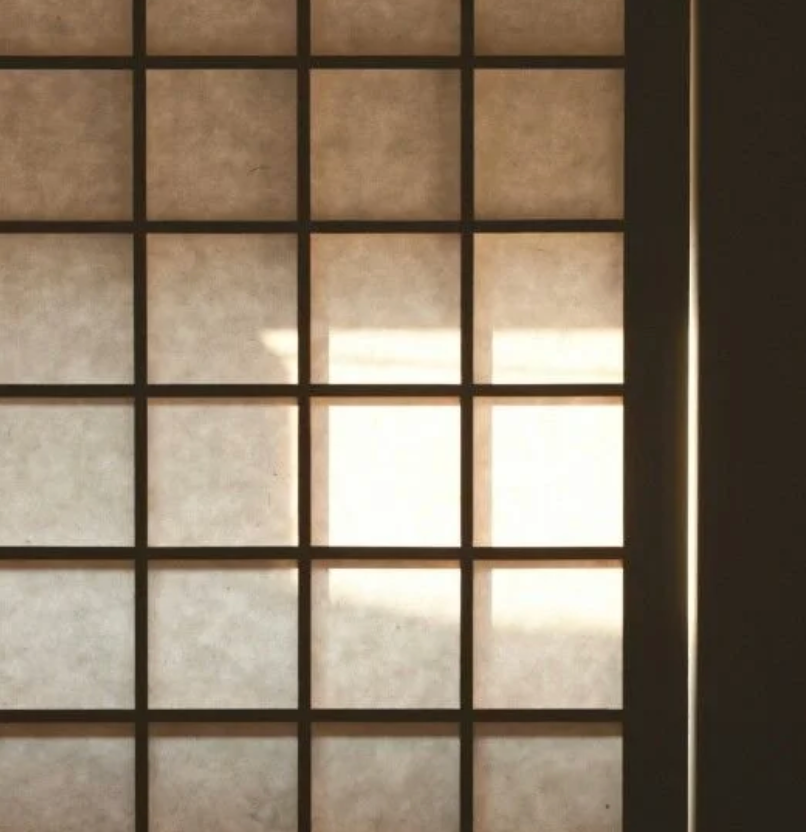
In traditional Korean living, Hanji was more than just paper—it was an essential material shaping everyday spaces.
Developed to withstand Korea’s distinct four seasons and significant changes in temperature and humidity, its durability and functionality have been proven over time.
Used in windows, flooring, and interiors, it reflects a lifestyle deeply connected to nature.
Hanji features a porous, fiber-rich structure that provides excellent breathability and moisture regulation.
Containing natural lignin, it resists pests and offers inherent antibacterial properties (up to 99.9%) without chemical treatment.

Where It’s Used
Dak Fiber is designed for applications where natural antibacterial performance and breathability are critical — without relying on chemical treatments.
Its unique structure makes it especially suited for:
-
Premium bedding covers and pillowcases in hospitality, where hygiene standards are non‑negotiable
-
Skin-contact layers in duvet covers and sleep products for sensitive skin customers
-
High-end retail bedding lines where “chemical-free” and “natural origin” are key product claims
-
Private label programs for brands in the wellness or eco-conscious sleep space
Dak Fiber is not a commodity material. It’s created for partners who need a differentiated material story backed by verified performance.
ICTUS transforms mulberry-based Dak fiber—the raw material of traditional Hanji—into regenerated yarn through advanced material processing.
By re-engineering this heritage fiber into textile-grade form, we preserve its inherent properties while enhancing durability, structural stability, and usability for modern applications.
Unlike conventional methods that rely heavily on chemical finishing, our approach focuses on performance through fiber structure and construction.
This allows the material to maintain its natural breathability, moisture regulation, and antibacterial characteristics over time.
In addition, our production system is designed with sustainability at its core.
Up to 99% of wastewater is recovered and reused during processing, significantly reducing environmental impact while ensuring consistent and responsible manufacturing.
